ULTOMIRIS®
Regulated Healthcare Platform | Compliance-Driven System Documentation & Workflow Analysis
Managed structured documentation and compliance analysis for clinical data systems. Focused on translating regulatory requirements into audit‑ready documentation across workflow modules, safety structures, and accessibility standards within formal review cycles.
Disclaimer: The work shown was completed during full-time employment and is shared to highlight my role and contributions. This is not a client of Stone Interface.
Project Context
Documented, configured, and analyzed complex, data‑driven interface systems in a regulated clinical environment, including safety hierarchies and compliance content frameworks. Focusing on structured accuracy, system consistency, and adherence to regulatory and accessibility standards.
Scope of Work
Structured clinical data documentation prepared for regulated review cycles
Safety content hierarchy analysis and standardized disclosure formatting
Technical compliance review against regulatory and system specifications
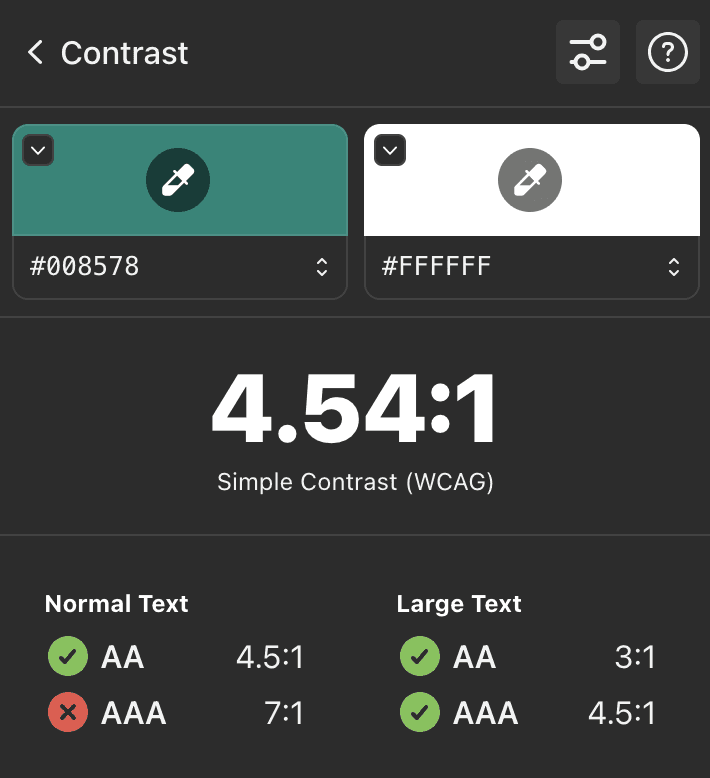
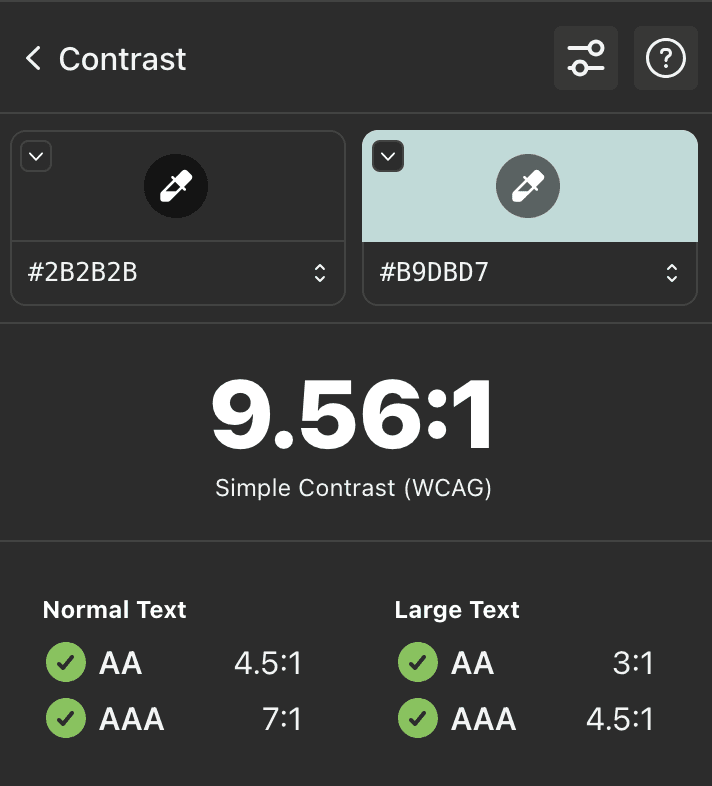
WCAG 2.1 AA/AAA accessibility auditing and remediation
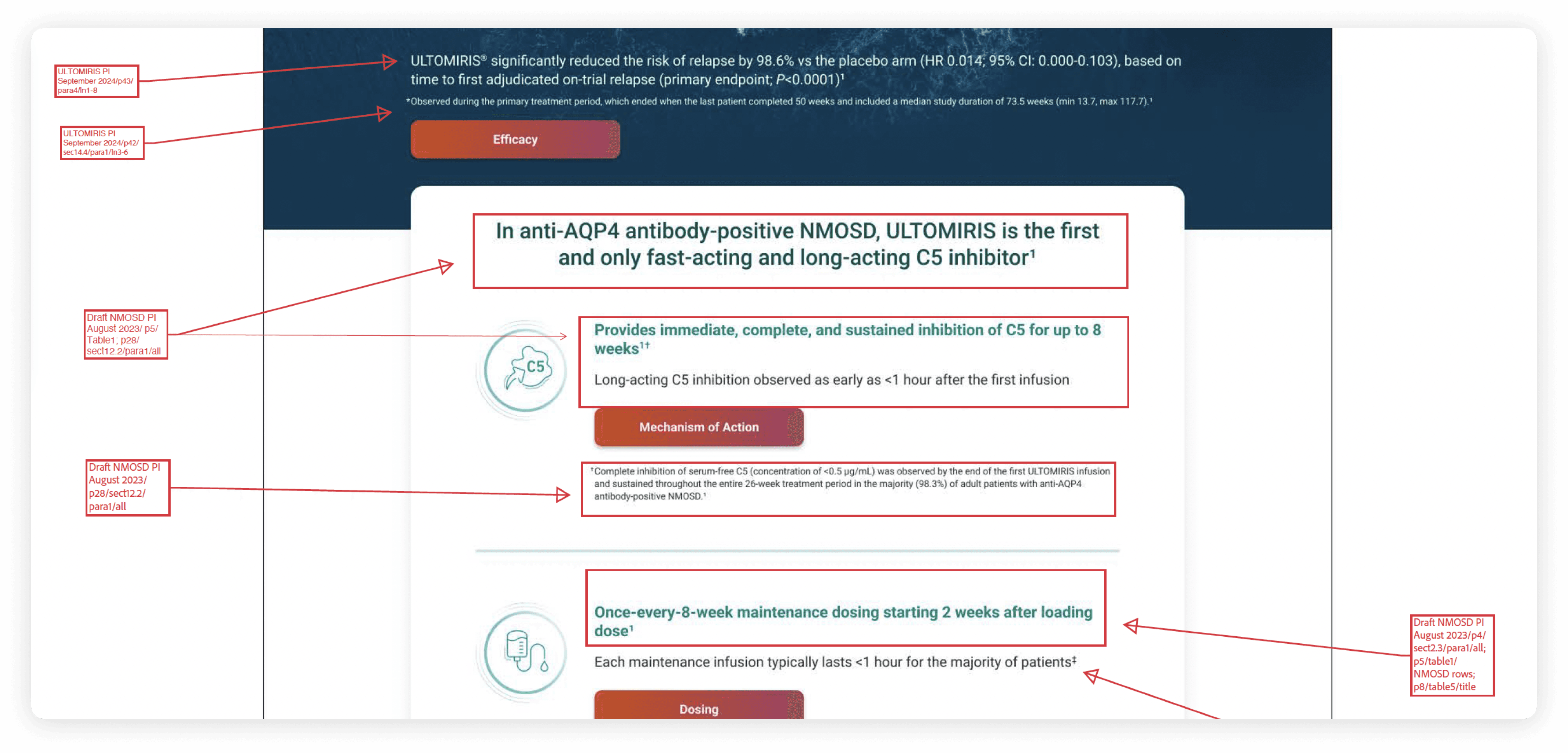
Worked closely with UX architects and copywriters to produce detailed functional annotations for a regulated clinical platform, documenting navigation structure, component interaction states, and content traceability. Work included mapping global link destinations, defining ISI tray behaviors, documenting dropdown logic, and maintaining source‑level citation links from each clinical claim to its exact PI location.
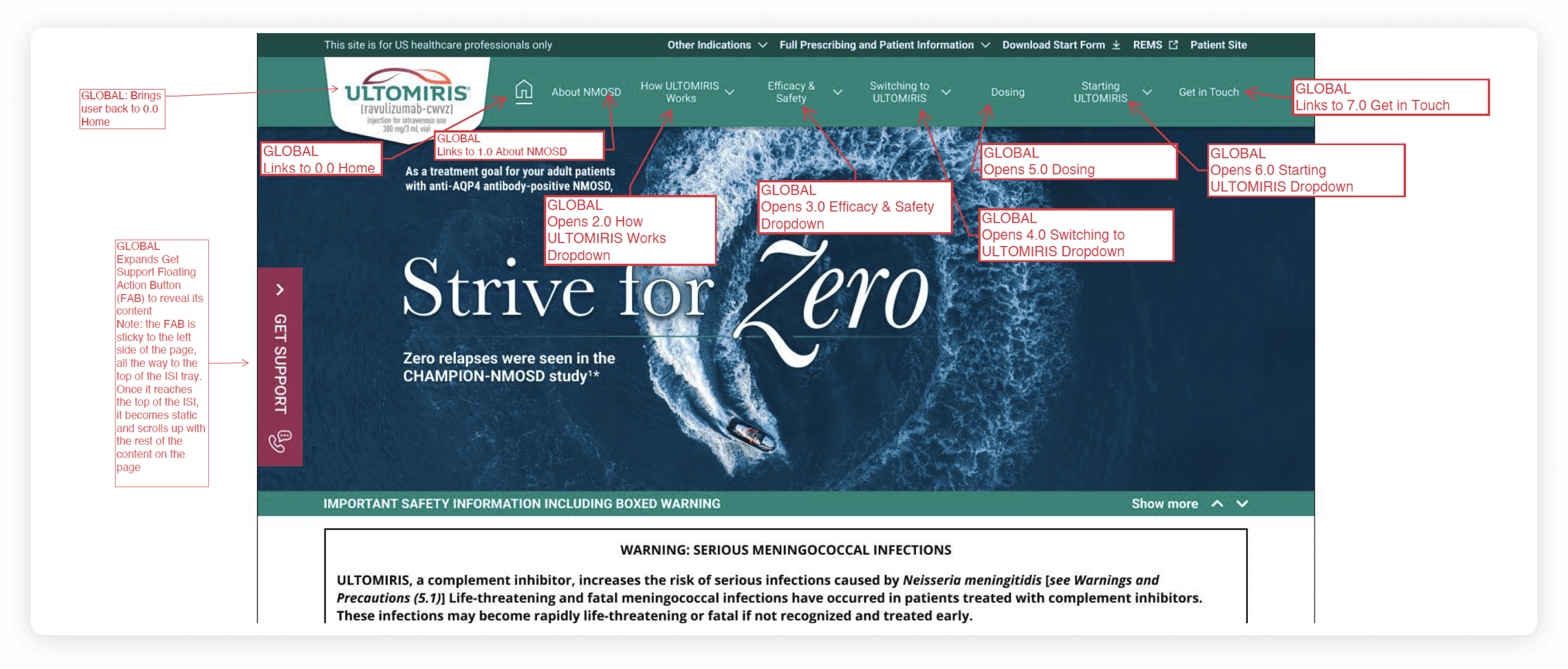
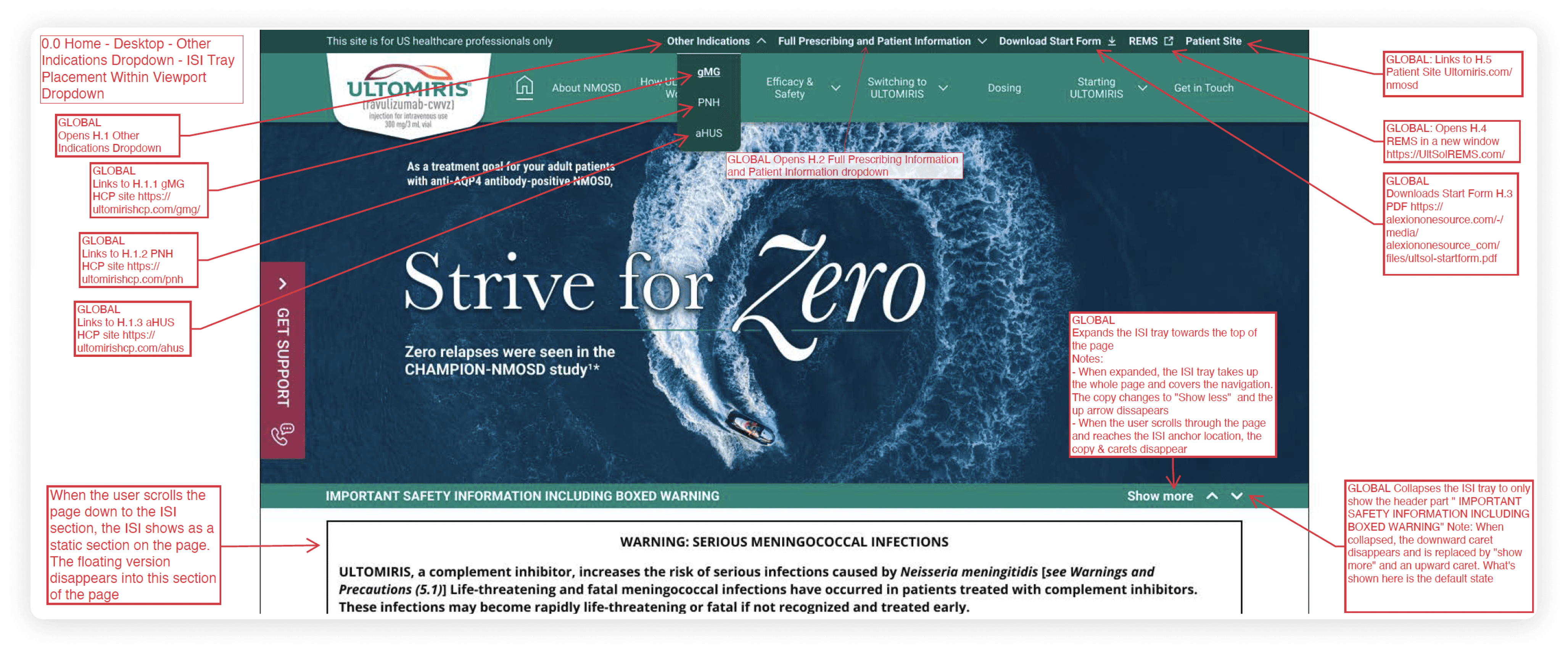
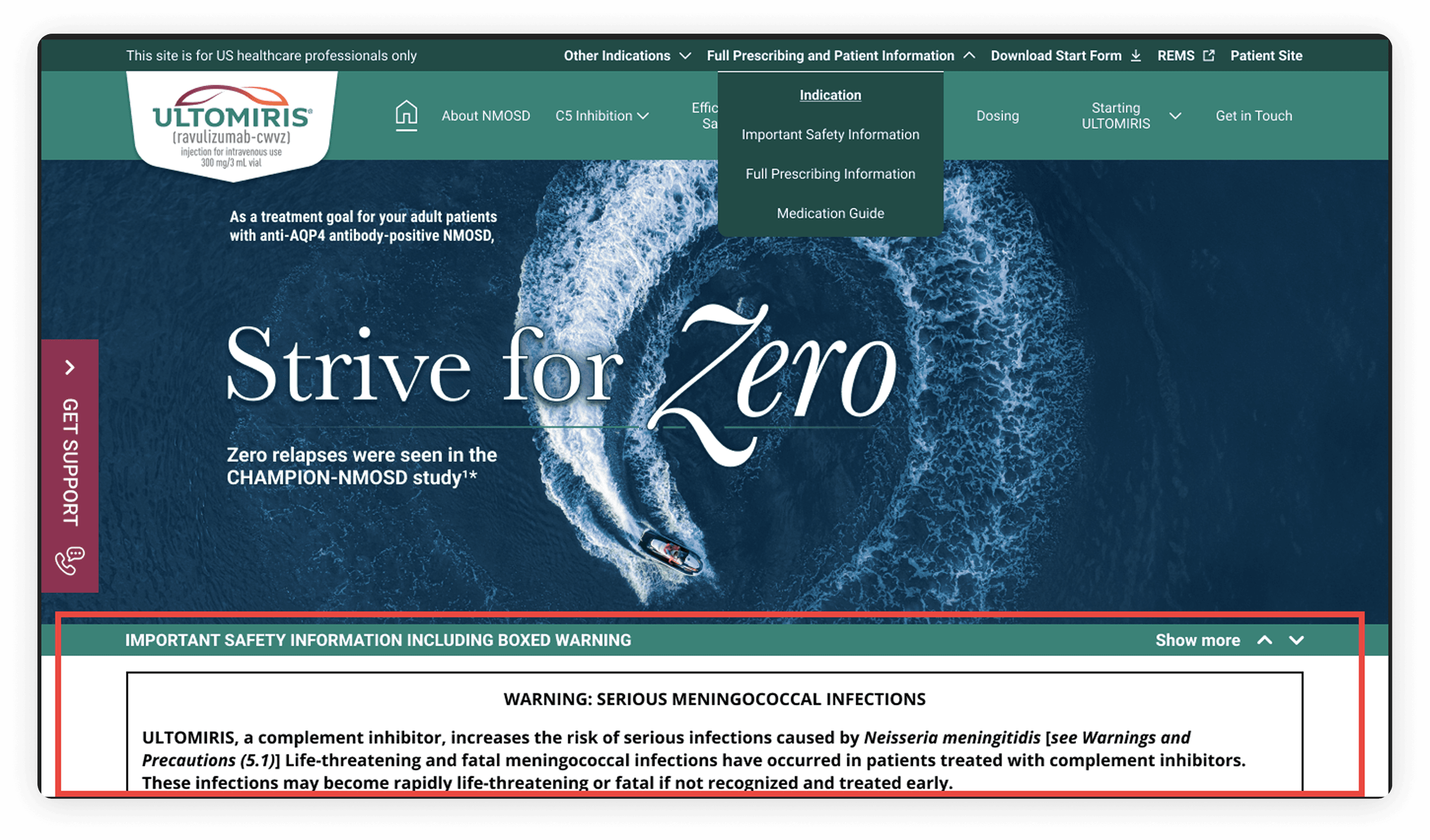
Verified consistent implementation of the Important Safety Information tray across all platform pages, confirming mandatory safety disclosure met defined regulatory specifications globally, and ensuring the required compliance module rendered correctly across all page contexts before regulated review submission.
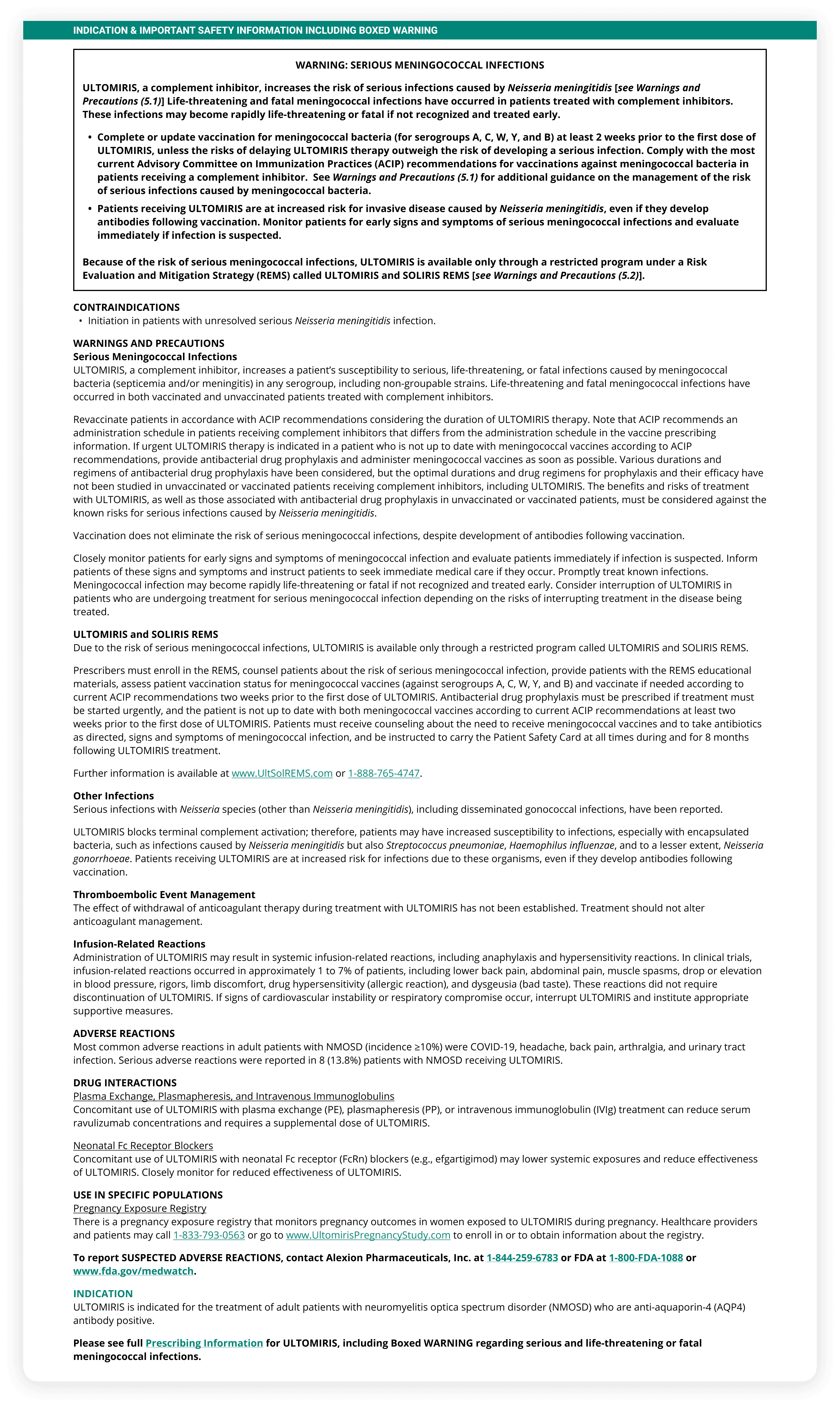

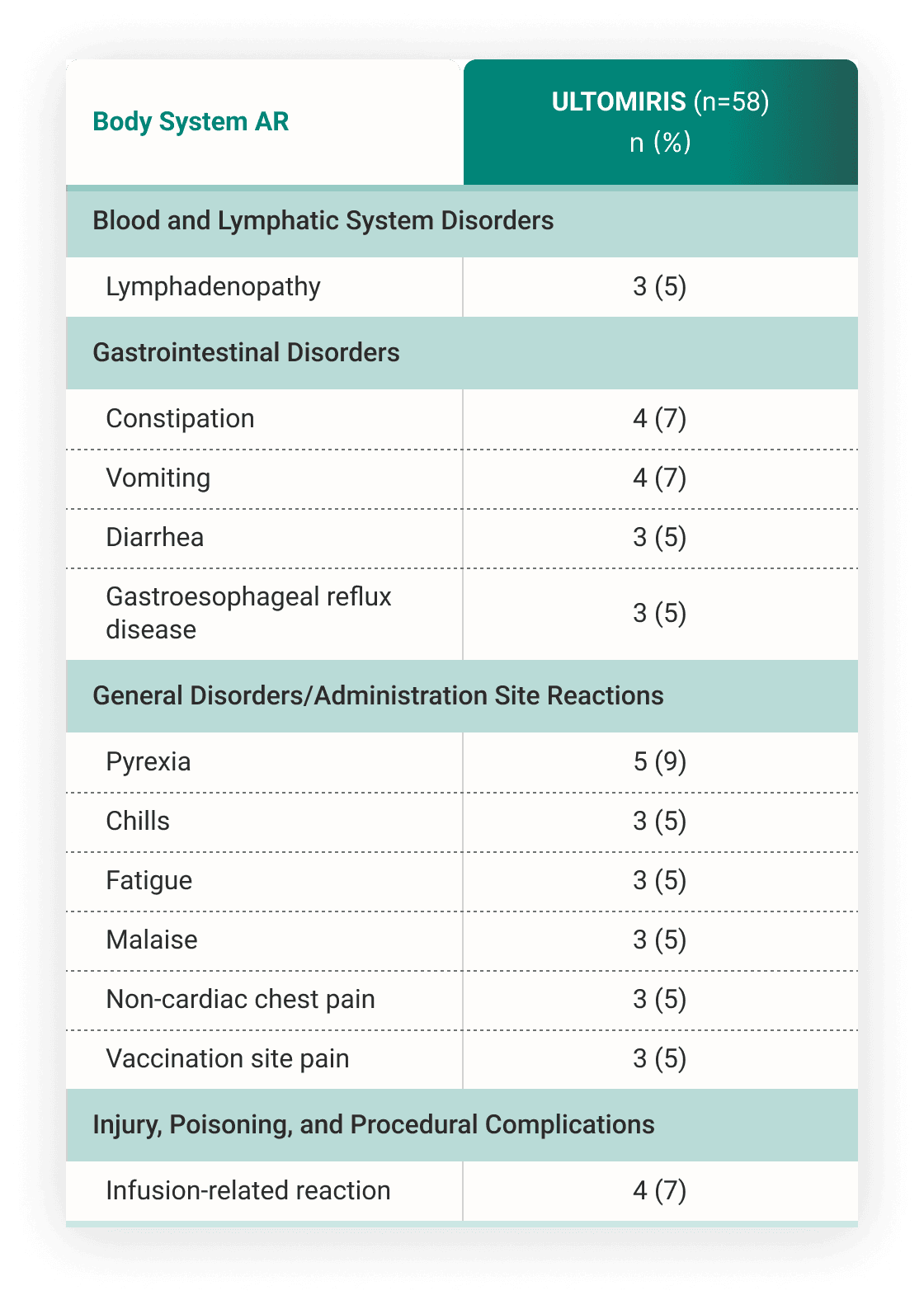
Configured structured reporting interfaces and dosage-validation layouts for regulated healthcare workflows, supporting standardized operational review, calculation consistency, and scalable data presentation across clinical systems.
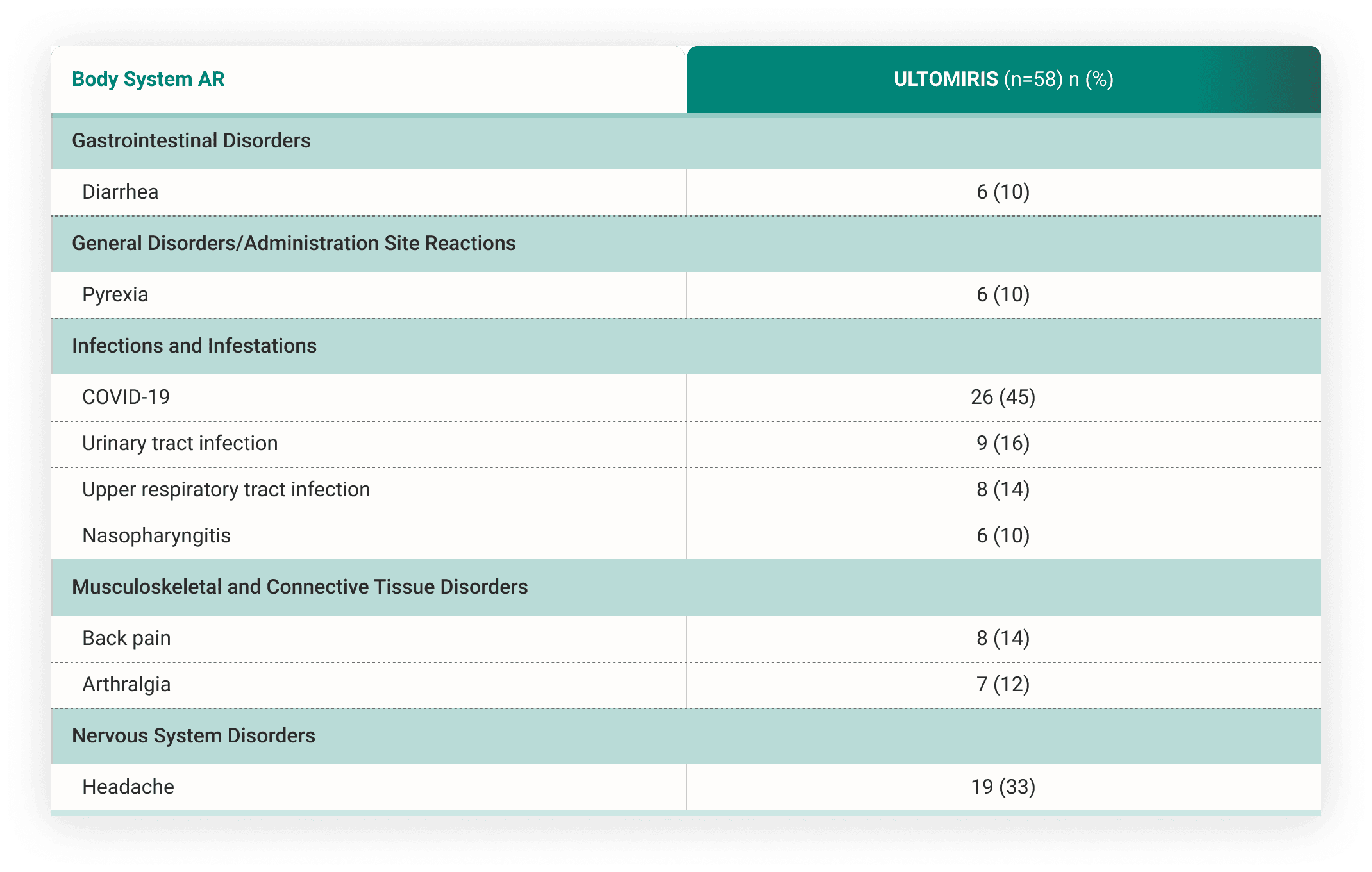
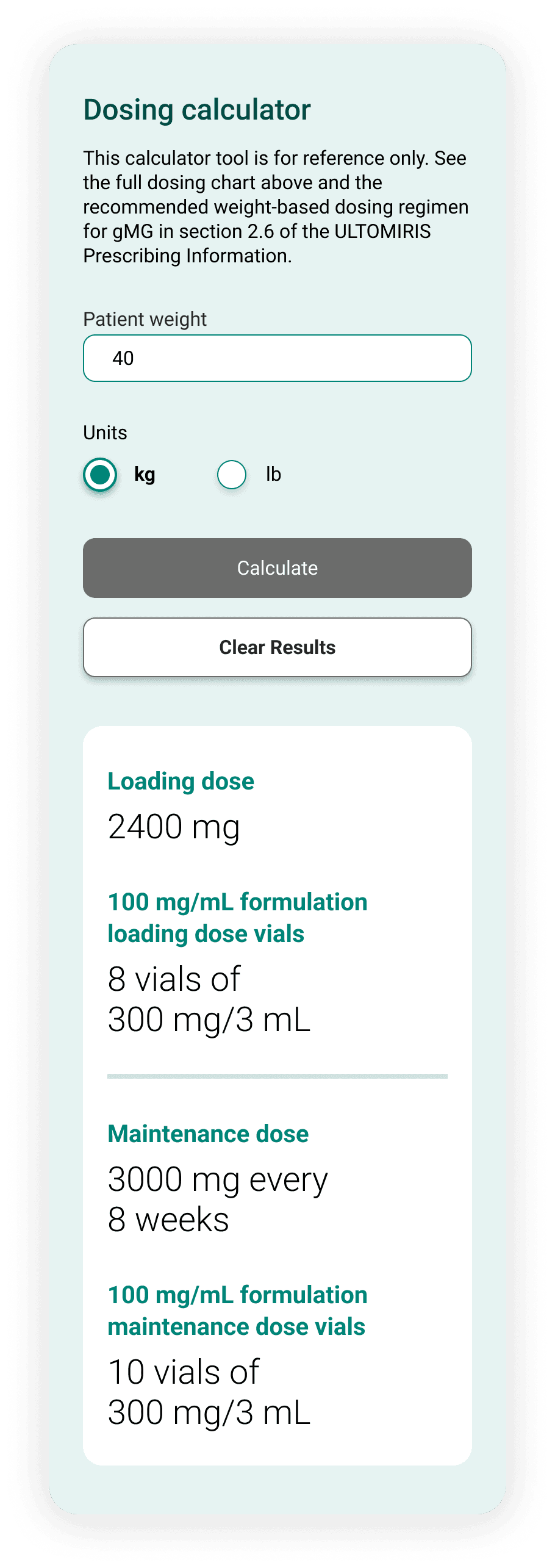
Utilized WCAG 2.1 AA/AAA guidance in collaboration with ADA specialists to remediate contrast, typography, and state visibility, ensuring high-stakes interfaces remained compliant and functional within a strictly regulated operational environment.